
Cost of ownership
Insuring Your Investment: Florida vs. California vs. Texas vs. Costa Rica
Insuring a home in Costa Rica against fire and earthquake costs roughly 0.2–0.3% of the structure’s value per year, a fraction of what owners now pay in Florida, Texas or California.
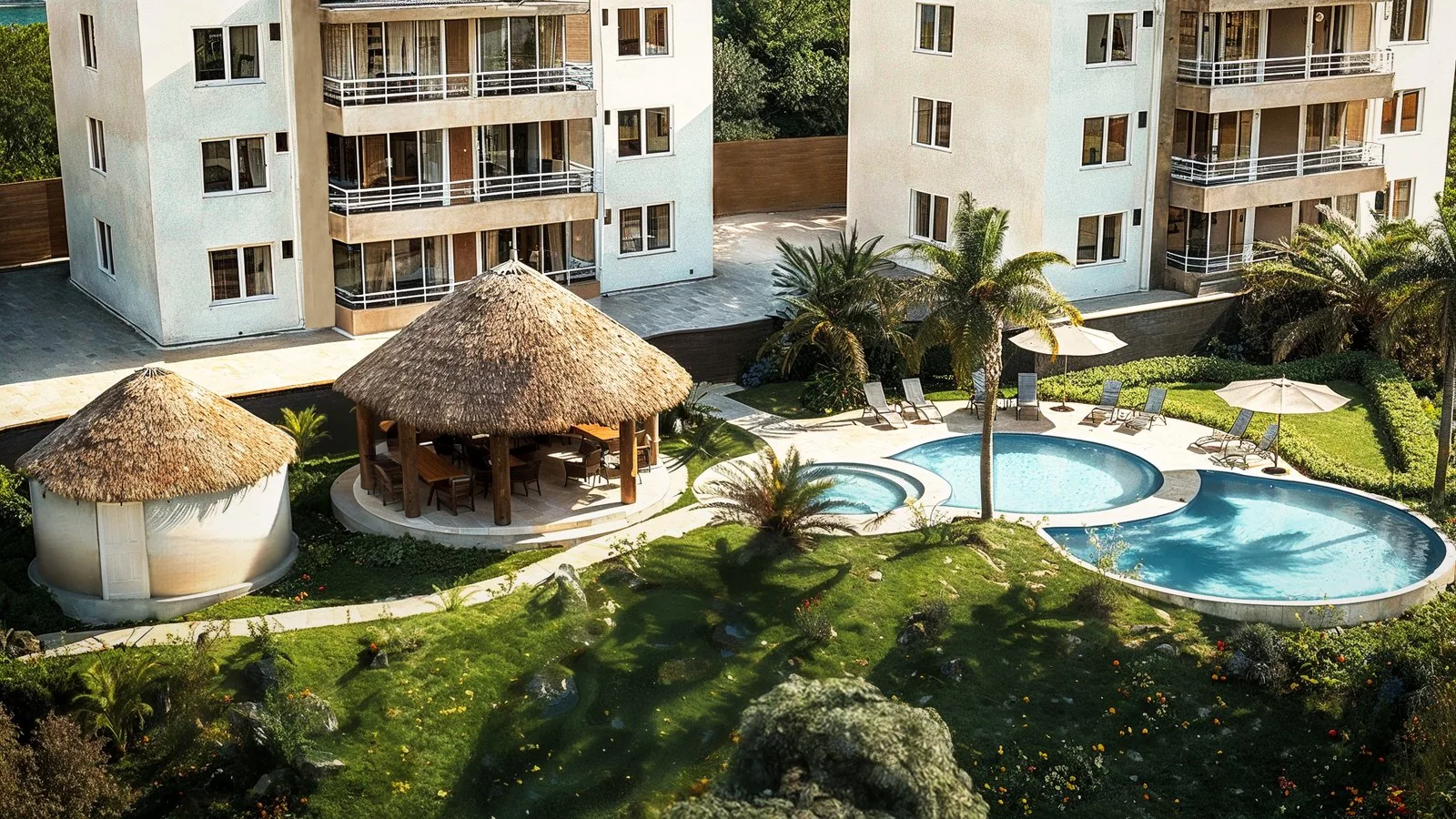
For most buyers, purchase price and mortgage rate get all the attention. But in the US, property insurance has quietly become one of the fastest-rising costs of owning real estate. Premiums in hurricane, hail and wildfire states have climbed by double digits, carriers have pulled out of entire markets, and many owners now pay more each month for insurance than for property taxes.
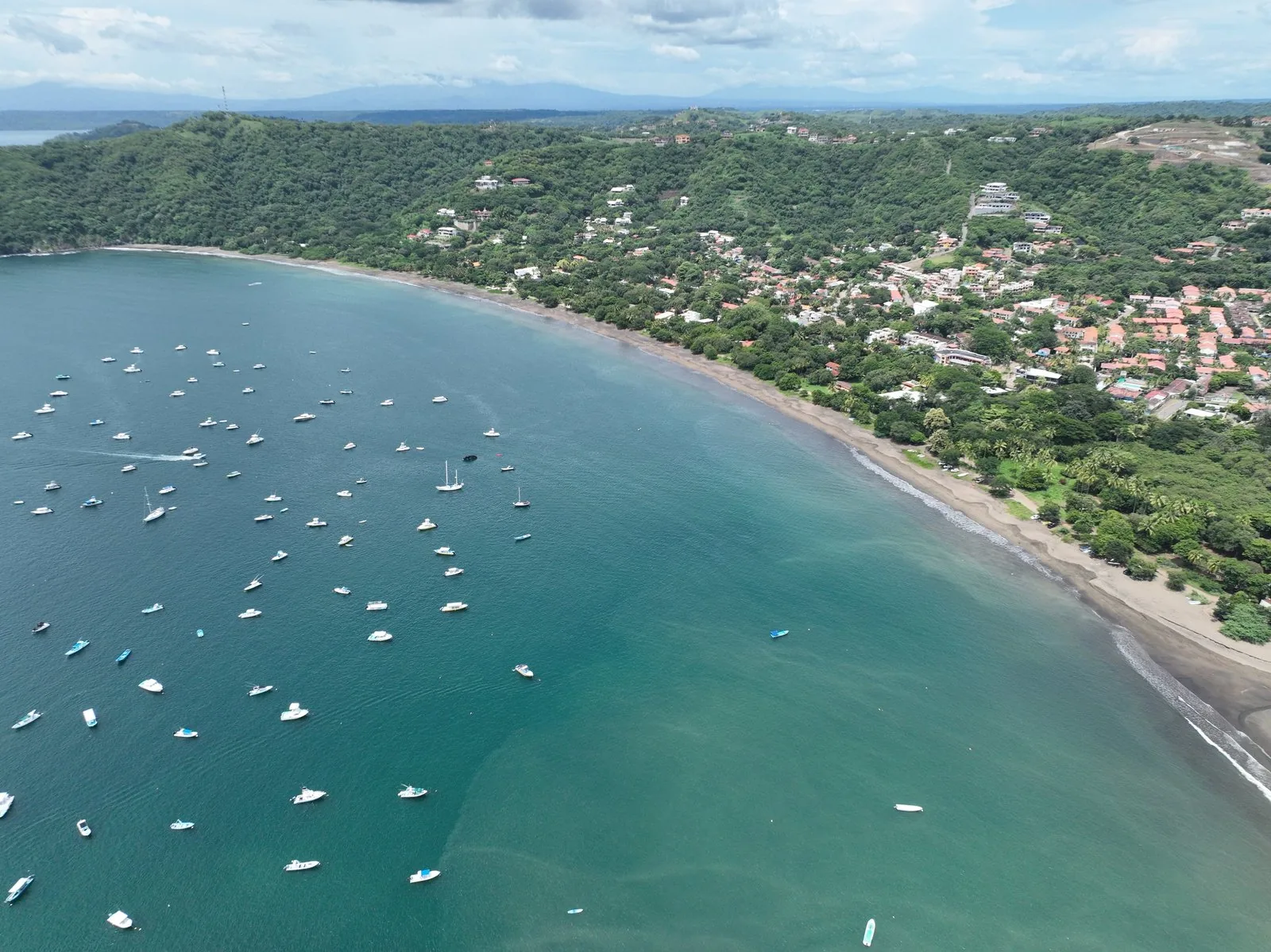
If you are comparing a vacation home in the US Sunbelt with a condo at Serena in Playas del Coco, Guanacaste, that difference shows up directly in your yearly cost of ownership. Here is how the four markets compare in 2026.
Florida: about 2.8% of the home’s value, every year
Florida is the most expensive state in the US to insure a home: $8,471 a year on average in 2026 for $300,000 of dwelling coverage, according to Insurance.com. That is roughly three times the national average of $2,872, and up from $7,928 in 2025.
The premium is only part of the cost. Florida policies carry a separate hurricane deductible, typically 2% of the dwelling limit, so the owner of a $300,000 home absorbs the first $6,000 of any storm claim. Flood is excluded entirely and requires its own policy. Years of carrier exits have left many owners with few choices at renewal.
California: a standard policy plus a separate earthquake policy
A standard California homeowners policy runs about $1,400–$2,400 a year for $300,000 of dwelling coverage in areas outside wildfire zones (Latent Insurance); wildfire ZIP codes often pay $5,000 or more. But average premiums statewide rose 84% between late 2020 and March 2026, and average deductibles climbed from $1,813 to $2,553, according to Stanford research. Seven of the state’s 12 largest insurers have reduced or halted new business, pushing more owners onto the state’s FAIR Plan, a last-resort policy that covers little beyond fire.
The bigger catch for a like-for-like comparison: standard US policies exclude earthquakes. Californians must buy separate earthquake cover, which averages about $3.54 per $1,000 of coverage per year, roughly $1,060 on a $300,000 home, with deductibles of 5% to 25% of the dwelling limit (Bob Vila / CEA data). Combined, a California owner insured against fire and earthquake typically pays around 1.1% of the home’s value each year.
Texas: about 1.5%, and up 79% since 2020
Texas homeowners now pay an average of $4,582 a year for $300,000 of dwelling coverage, the seventh-highest in the country (Insurance.com). The Texas Department of Insurance told state lawmakers in October 2026 that the average premium has risen from under $2,000 in 2020 to over $3,500, a 79% jump driven by hail, wind and rebuilding costs (FOX 4).
Wind and hail deductibles are usually a percentage of the dwelling limit, and coastal owners often need separate windstorm cover through the state’s windstorm pool. Flood is again a separate purchase.
Costa Rica: about 0.2–0.3%, with earthquake included
In Costa Rica, a single homeowners policy covers fire and earthquake, plus natural events such as flood, landslide, wind and lightning. The state insurer INS publishes its own pricing examples, and they come in at or below 0.3% of the structure’s value per year, sales tax (IVA, 13%) included:
- 2024 INS example: a home with a ₡50 million building value pays ₡90,000 a year plus IVA, about 0.20% all-in. INS notes these policies cover fire, theft, flooding, earthquakes, landslides and lightning (Delfino.cr).
- 2026 INS example: insuring a ₡65 million home against direct damage and natural phenomena costs about ₡369 a day plus IVA, roughly 0.23% a year all-in (Diario Extra, October 2026).
Using 0.3% as a conservative planning figure leaves headroom for beachfront locations, higher-end finishes and contents cover. On a $300,000 structure that is about $900 a year, or $75 a month. Private carriers such as MAPFRE also write home policies, so owners can compare quotes.
There is also no separate hurricane deductible to budget for. Guanacaste sits well south of the main Atlantic hurricane belt, and Costa Rica’s building code has strict seismic requirements for new construction like Serena.
Side by side: insuring a $300,000 home
A Florida owner pays roughly nine to twelve times more each year than a Costa Rica owner to insure the same $300,000 structure.
Swipe the table sideways to see every column →
| Market | Annual premium (USD) | % of structure value | Earthquake covered? | Catastrophe deductible | 10-year cost at today’s rates (USD) |
|---|---|---|---|---|---|
| Florida | $8,471 | ~2.8% | No (not standard) | 2% hurricane ($6,000) | ~$84,700 |
| Texas | $4,582 | ~1.5% | No (not standard) | % of dwelling for wind/hail | ~$45,800 |
| California | ~$3,260 ($2,200 home + ~$1,060 earthquake) | ~1.1% | Separate policy | 5–25% earthquake | ~$32,600 |
| Costa Rica | $690–$900 | 0.23–0.30% | Yes, included | No hurricane deductible | $6,900–$9,000 |
US figures are 2026 averages for $300,000 of dwelling coverage; the California home figure uses the midpoint of the non-wildfire range. US policies also bundle liability and contents cover, while the Costa Rica examples price the structure; adding ₡8 million of contents in the 2026 INS example lifts the daily cost only from ₡369 to ₡415. The 10-year column assumes flat premiums, which flatters the US markets given recent increases of 79–84%.
What this could mean for Serena owners in Playas del Coco
- Lower holding costs. Lower insurance can mean lower yearly costs of ownership: on a $300,000 structure, the premium difference versus Florida is about $7,500 a year based on these averages, and about $3,700 a year versus Texas.
- If you choose to rent. For owners who decide to rent their condo when they are away, a smaller insurance bill could improve net rental income. Actual results depend on occupancy, rates, management and other costs, and are not guaranteed.
- Fuller protection for less. Earthquake cover comes standard rather than as an expensive add-on, and there is no 2% hurricane deductible waiting behind every storm season.
- A stable market. Costa Rica’s state insurer and private carriers continue to write home policies, in contrast to the carrier exits that have pushed US owners onto last-resort plans.
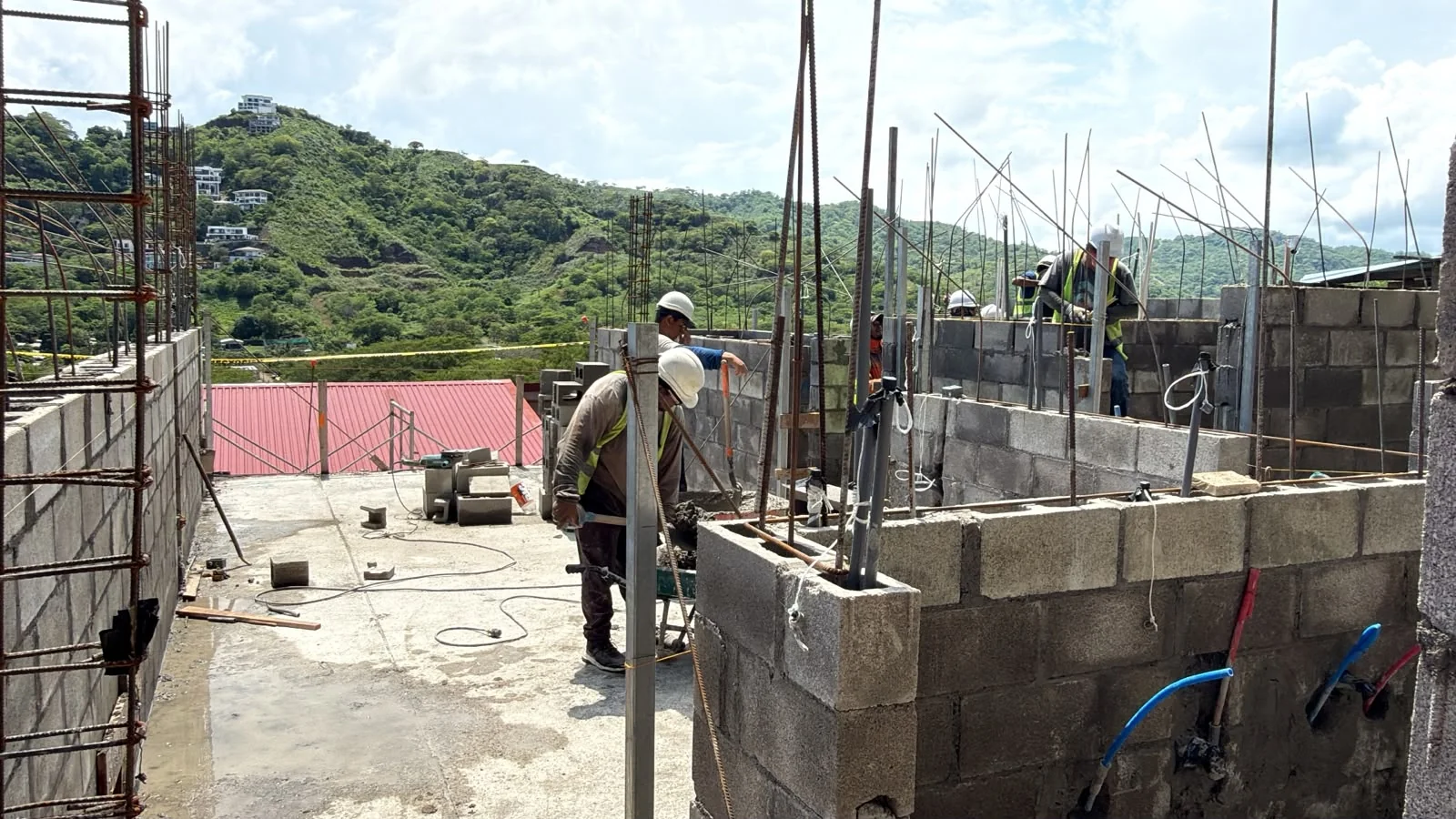
- New construction. Serena is being built today to current Costa Rican seismic code, the kind of modern construction insurers generally favor.
Purchase price, location and how you plan to use your home will always lead the decision. But when you compare a beach condo in Guanacaste with one in Florida or Texas, insurance is one of the clearest differences in what it costs to own.
See the numbers for your Serena residence
Contact our sales team for the current price list and an insurance estimate from a licensed Costa Rican agent.
Contact our sales teamSources
- Insurance.com via Action News Jax: the states where home insurance is becoming unaffordable in 2026 (Sept 2026)
- Stanford: California’s home insurance crisis is spreading beyond wildfire country (June 2026)
- Latent Insurance: How much is homeowners insurance in California in 2026
- Bob Vila: How much is earthquake insurance in California (CEA data). The same $3.54 per $1,000 average is reported by ValuePenguin; deductible options of 5% to 25% are listed by the California Department of Insurance.
- FOX 4: Texas home insurance costs skyrocket as lawmakers debate solutions (Oct 2026)
- Delfino.cr: INS fire indemnities and premium example (Dec 2024)
- Diario Extra: INS home claims and premium example (Oct 2026)
Figures are averages for illustration, converted at roughly ₡500 per US dollar. Actual premiums depend on location, construction, coverage and deductibles. This article is not insurance advice; request a quote from a licensed agent.